
New Clinical Study Seeks to Optimize Ankle-Foot Orthotic Prescription Using an Emulation Test-Drive Strategy with Caplex®

In collaboration with the Extremity Trauma and Amputation Center of Excellence, the Walter Reed National Military Medical Center, and the VA Puget Sound Health Care System, Humotech is helping lead a new groundbreaking study aimed at informing the prescription of ankle-foot orthoses (AFOs) with an emulation strategy powered by Humotech’s Caplex® System.
The Problem: a Dearth of Data
Traditional approaches to AFO prescription depend on clinical intuition and trial-and-error to guide decision-making. Patients typically have limited opportunities to ‘test-drive’ different AFO designs and lack knowledge about the breadth and variety of device functionalities available to them. These limitations mean AFO technology is not always provided in the most effective manner, limiting patients’ potential to live active and healthy lives. With more data to support the selection of the optimal AFO to align with an individual’s abilities, goals, and potential to ambulate, we might see greater utilization of AFOs and improvements in quality of life for those affected by limb trauma, neurological impairments, and other lower limb conditions.
The Solution: Individualized Prescription with an AFO Emulator
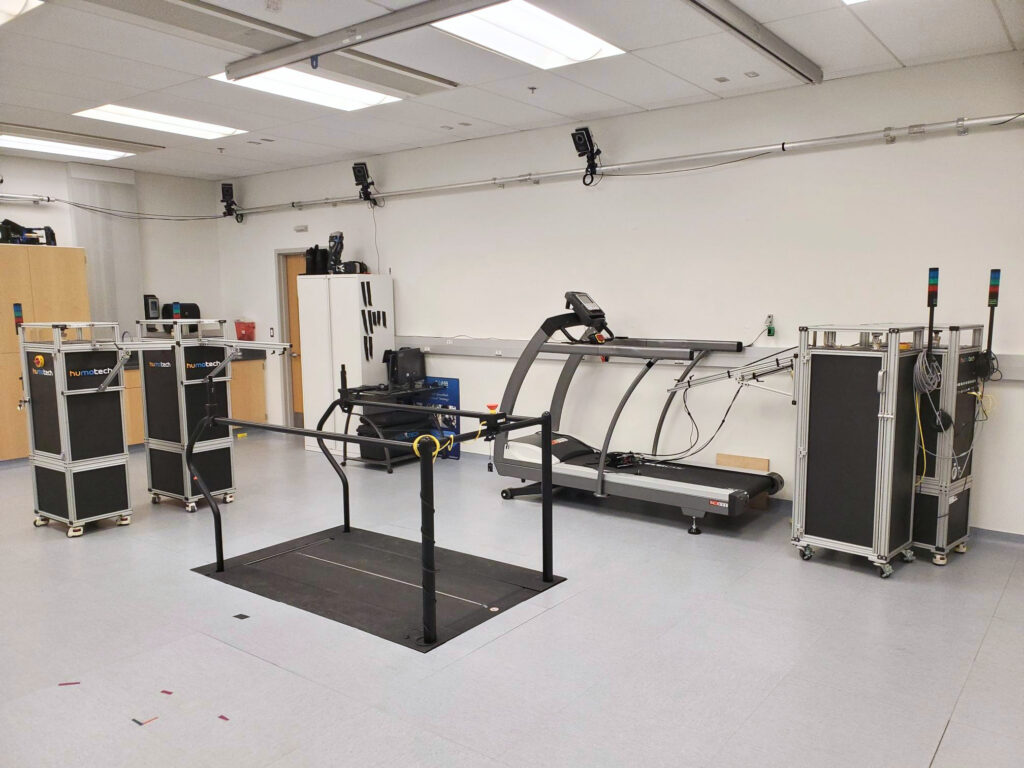
In this new project, Veterans and Service Members who are already prescribed AFOs will have the opportunity to rapidly trial a menu of different AFOs utilizing a programmable robotic exoskeleton, known as an AFO emulator. Using this innovative approach, patients and clinicians could collaborate to ‘try-on’ multiple AFO designs in real-time, without needing to spend precious resources on purchasing and swapping out the actual physical devices.
Study Objectives
The study aims to:
- Evaluate the AFO emulator’s ability to predict user function, mobility, and preference outcomes with commercially available AFOs.
- Compare short-term and long-term outcomes between emulated and actual AFOs.
- Allow users to fine-tune the AFO emulator settings to identify their optimal AFO.
Potential Impact: A Patient-Centered Approach
This patient-centered approach can empower patients to become more active participants in the decision-making process, which we hope will lead to increased buy-in, improved mobility, and higher satisfaction with the prescribed AFO device. Demonstrating the predictive validity of the approach in this study is just the beginning!
Long-Term Benefits
For Service Members transitioning to care in the VA, early implementation of this strategy could have long-lasting benefits, potentially delaying or preventing the development of secondary disabling conditions.
Healthcare System Benefits
Beyond improving patient outcomes, this advanced rehabilitation strategy has the potential to save clinicians time, improve reimbursement justification, lower healthcare costs, and inform future device development.
Progress To Date
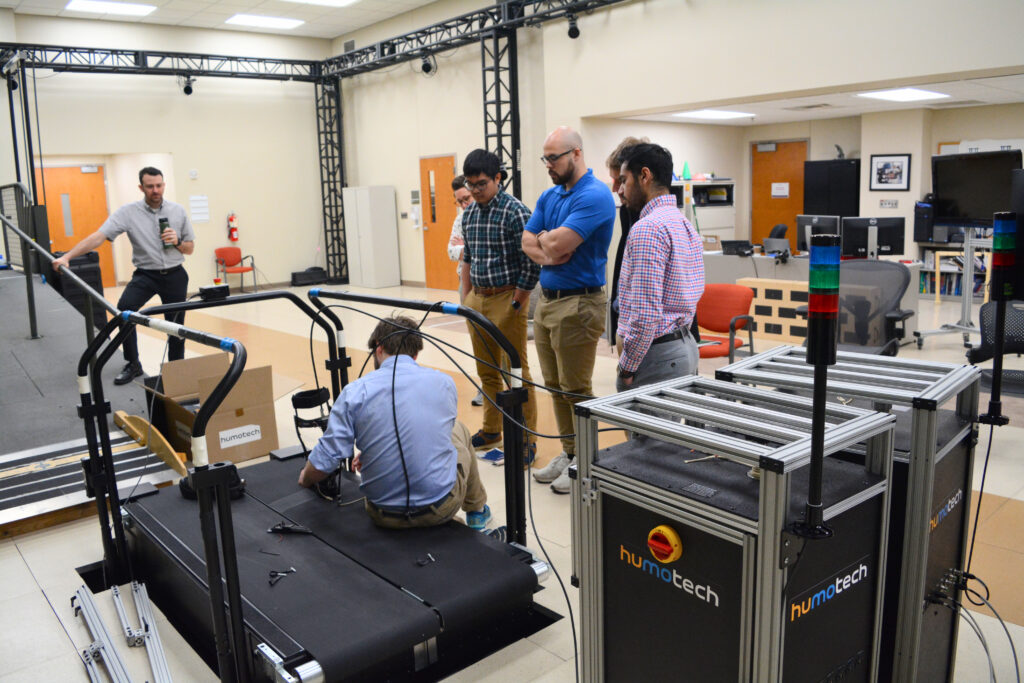
With regulatory approvals in place, and recent deliveries of Humotech’s new Caplex® EXO-010 ankle exoskeleton to both sites, participant recruitment is officially under way. Development of the emulation profiles is at a critical stage, where 21 commercial AFOs have been purchased, mechanically tested, and have been programmed into the emulator.
Conclusion
The multi-site study conducted at Walter Reed National Military Medical Center and the VA Puget Sound Health Care System represents a significant step towards realizing patient-centered and evidence-based AFO prescription processes. By leveraging innovative technology and adopting a patient-centered approach, this research has the potential to transform care for Service Members and Veterans with lower limb neuromusculoskeletal impairments.
As we eagerly await the results of this groundbreaking study, we remain hopeful and optimistic about the positive impact it will have on improving the quality of life for those who have served our country.
Stay tuned for updates on this exciting application of Caplex® technology!
Source: Optimizing Ankle-Foot Orthotic Prescription Using an Emulation Test-Drive Strategy