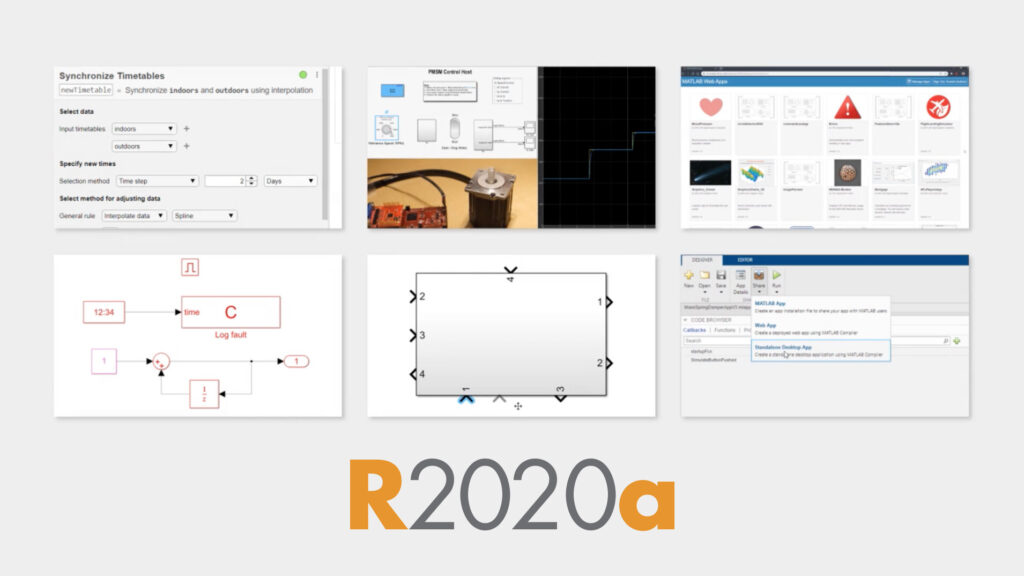
Humotech’s Q3 software release includes an upgrade to MATLAB R2020a, dynamic controller configuration, and unlimited recording.

Stay informed on research, innovation, and company updates from the Humotech team.
Humotech’s Q3 software release includes an upgrade to MATLAB R2020a, dynamic controller configuration, and unlimited recording.
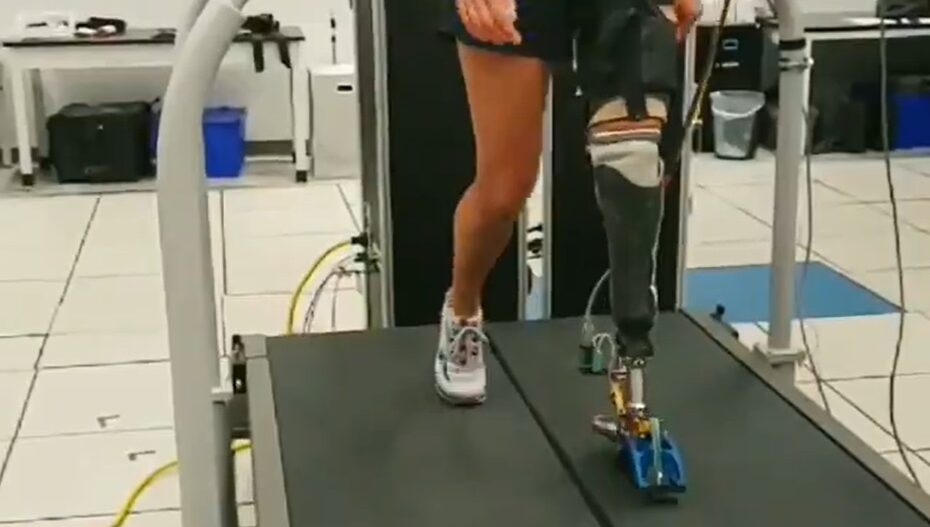
Thanks to Jacky and our friends at @VanderbiltU for this exciting research on advanced #prosthetic #feet. #AmputeeLife #AssistiveDevices @DavidZiemnicki @KarlZelik
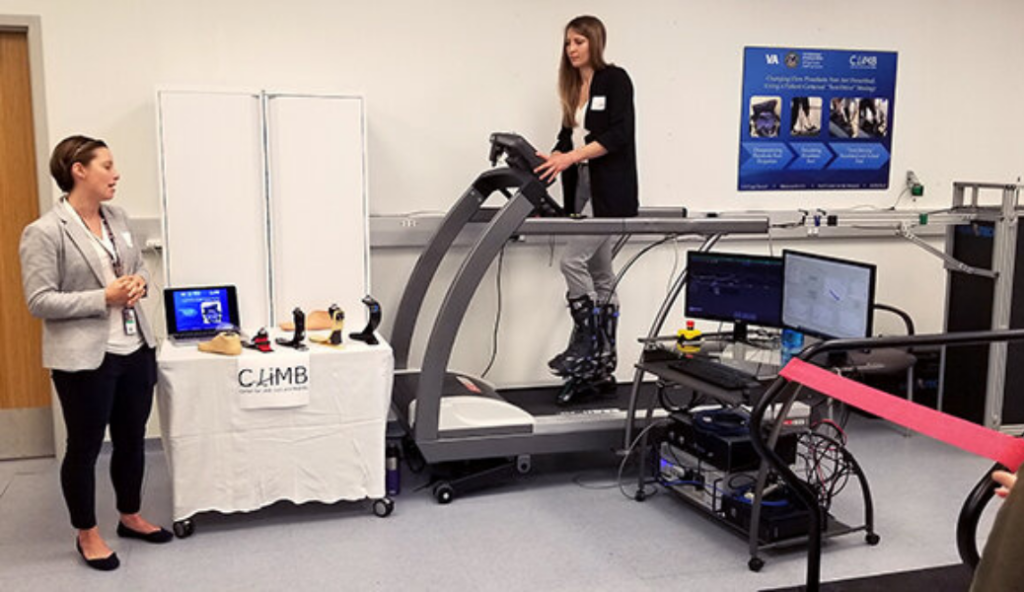
Researchers at the VA Center for Limb Loss and MoBility are improving the patient prescription process by bringing together research, clinician knowledge, and patient care.

Halsne EG, Turner AT, Hansen AH, Behrens KM, Walker NR, Childers WL, Brousseau LM, Caputo JM, Curran CS, Hafner BJ, Morgenroth DC. (2020) NIH – Rehabilitation Research 2020 – Envisioning a Functional Future.
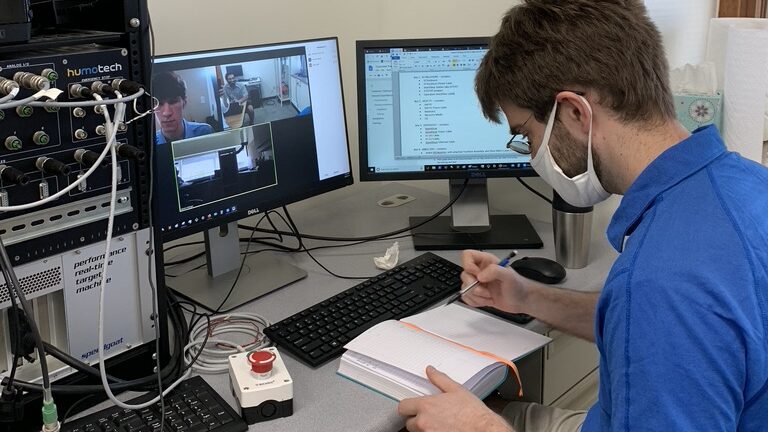
Really excited to be working with Jess Selinger, @MeganMcAll_Kin, and others at the #Neuromechanics Lab. #Innovation #Humotech
Halsne EG, Turner A, Curran CS, Caputo JM, Hansen AH, Hafner BJ, Morgenroth DC. (2020) VA RR&D Center for Limb Loss and Mobility Young Investigator Symposium.
Ruxin TR, Halsne EG, Turner AT, Curran CS, Caputo JM, Morgenroth DC. (2020) VA RR&D Center for Limb Loss and Mobility Young Investigator Symposium.
Behrens KM, Walker NR, Hansen AH, Brousseau LM, Childers WL, Caputo JM, Curran CS, Hafner BJ, Halsne EG, Turner AT, Morgenroth DC (2020) National Assembly of the American Orthotic and Prosthetic Association.
Halsne EG, Turner AT, Curran CS, Caputo JM, Hansen AH, Hafner BJ, Morgenroth DC. (2020) Annual Meeting of the American Society of Biomechanics.
Turner AT, Halsne EG, Hansen AH, Walker NR, Behrens KM, Childers WL, Brousseau LM, Caputo JM, Curran CS, Hafner BJ, Morgenroth DC. (2020) Military Health System Research Symposium.